VPN and Two-Factor Authentication: Layered Security 2026
VPN encrypts traffic; 2FA protects accounts. How to use them together and which accounts need 2FA first.
Published by: Ahmet Tepe
Source-led article. Provider claims and independent records are kept distinct; no laboratory result is implied unless stated. How this site works →
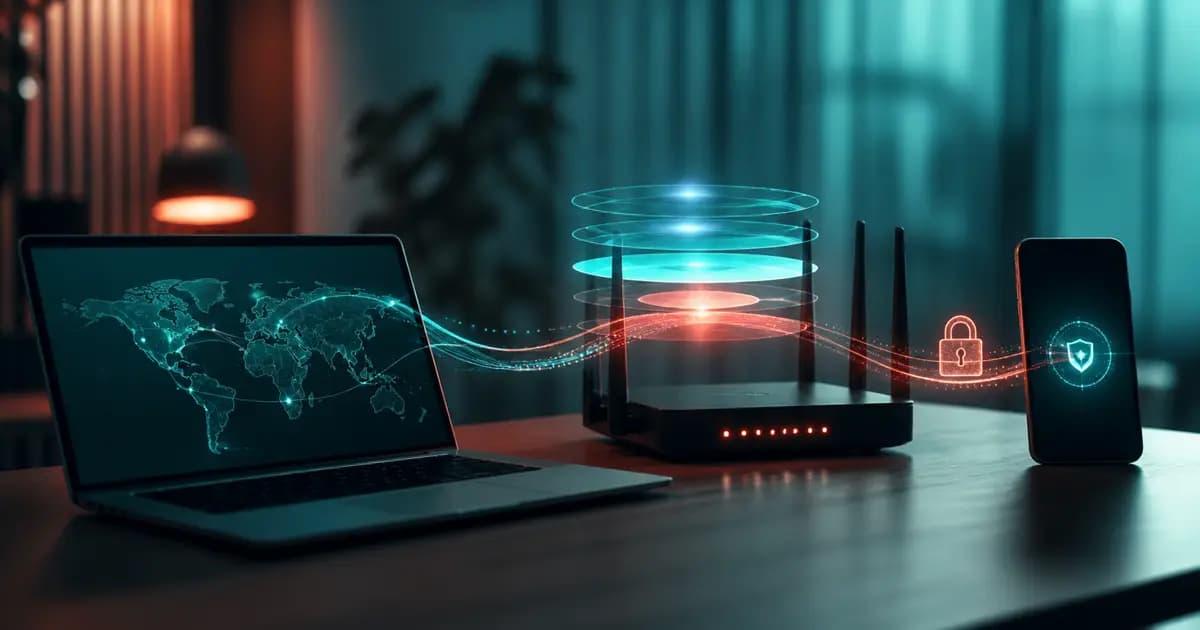
VPN provides an encrypted tunnel; two-factor authentication (2FA) protects account logins. One without the other leaves gaps: VPN hides IP and connection metadata; 2FA blocks access even if a password is stolen. For everyday digital security, treat them as complementary layers.
What Each Layer Covers
| Layer | Protects | Does not protect |
|---|---|---|
| VPN | IP, ISP logs, network sniffing | Account passwords, phishing, device malware |
| 2FA | Account login (password + second step) | Network traffic, IP tracking |
Example: banking on public Wi-Fi without VPN is risky; Gmail with VPN but no 2FA can be taken via phishing.
Where 2FA Is Mandatory
Priority order:
- Email — recovery point for other accounts
- Banking and payments (prefer in-app approval)
- Cloud storage
- VPN provider account — subscription and settings
- Social and work tools
Authenticator apps beat SMS 2FA (SIM swap risk).
2FA on Your VPN Account
Without 2FA, an attacker could add devices or manage your subscription. Privacy-focused VPNs usually document account security clearly.
Use 2FA on VPN login; store backup codes safely.
Daily Routine
- On unknown networks: VPN first, then sensitive tasks
- 2FA on every critical account + unique passwords (security checklist)
- Ignore phishing SMS — fake delivery links are common
- Run DNS and WebRTC tests
Does VPN Replace 2FA?
No. VPN is the connection layer; 2FA is the identity layer. See VPN privacy guide for the full picture.
Summary
VPN + 2FA is the core of layered defence. Use VPN for the network, 2FA for accounts — together they match our security checklist approach.
Ready to make a decision?
Explore source-based provider profiles and comparisons organized by real-world use case.
Related Posts
Current Cyberattacks in October 2026: NetScaler Zero-Days, Fake AI Brands and Conference Phishing
A source-led October 2026 briefing on exploited Citrix NetScaler VPN gateways, ChatGPT- and Claude-themed phishing, Star Blizzard lures and what a VPN can and cannot do.
Current Cyberattacks in September 2026: Passkey Phishing, AI Fraud and Fake Downloads
A source-led September 2026 briefing on passkey phishing, AI-assisted invoice fraud, fake installers, fake IT support and VPN limits.
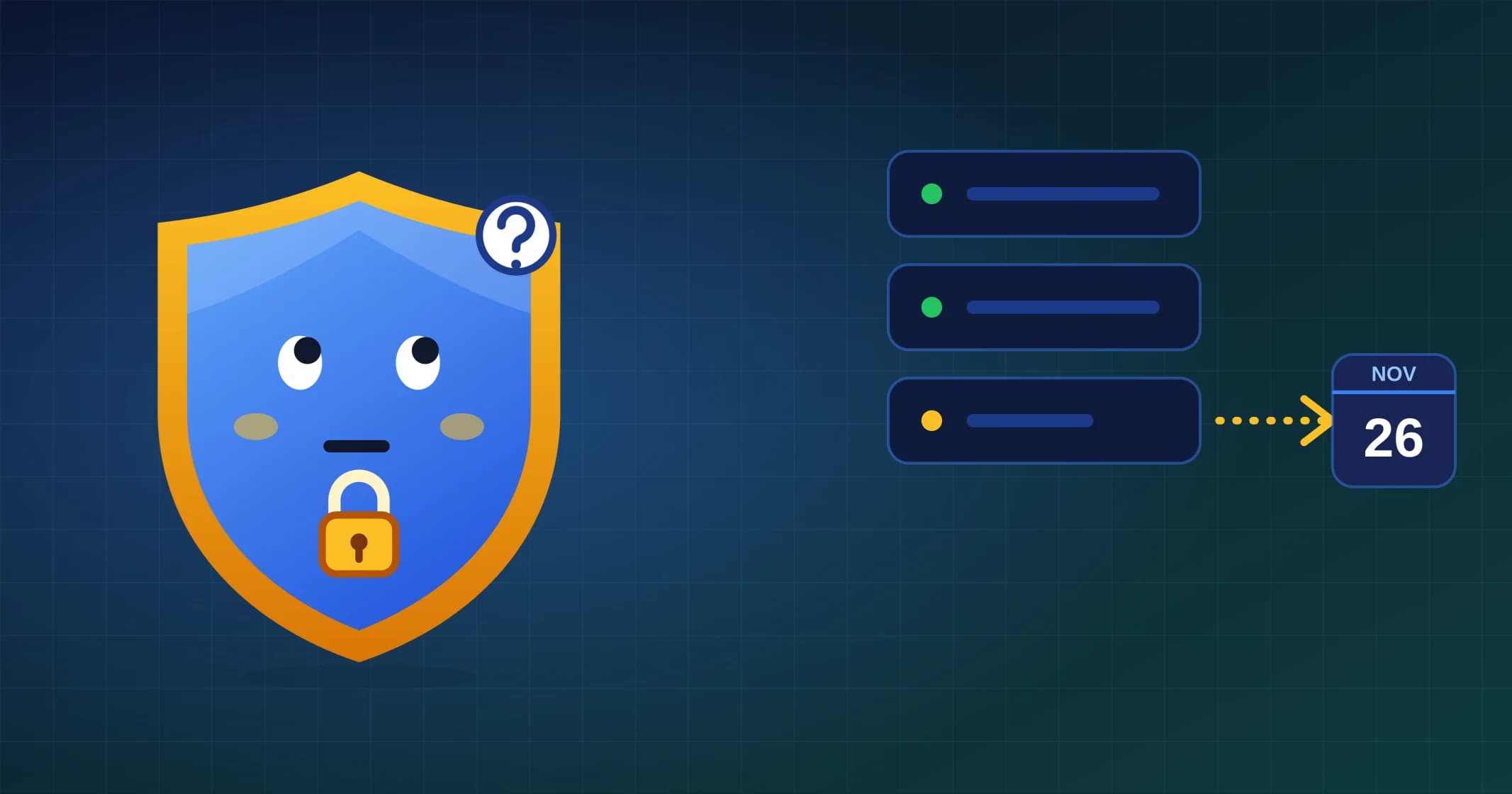
Mullvad Is Shutting Down Its Public Encrypted DNS: What Changes Before November 2026?
Mullvad will retire its public encrypted DNS service and sponsor Quad9 instead. Here is who needs to migrate, what browser and Apple users should do, and what does not change.